The label
Trained versus untrained, in practice
A dog is not either trained or untrained. It sits somewhere on a scale, and the position matters more than the word.
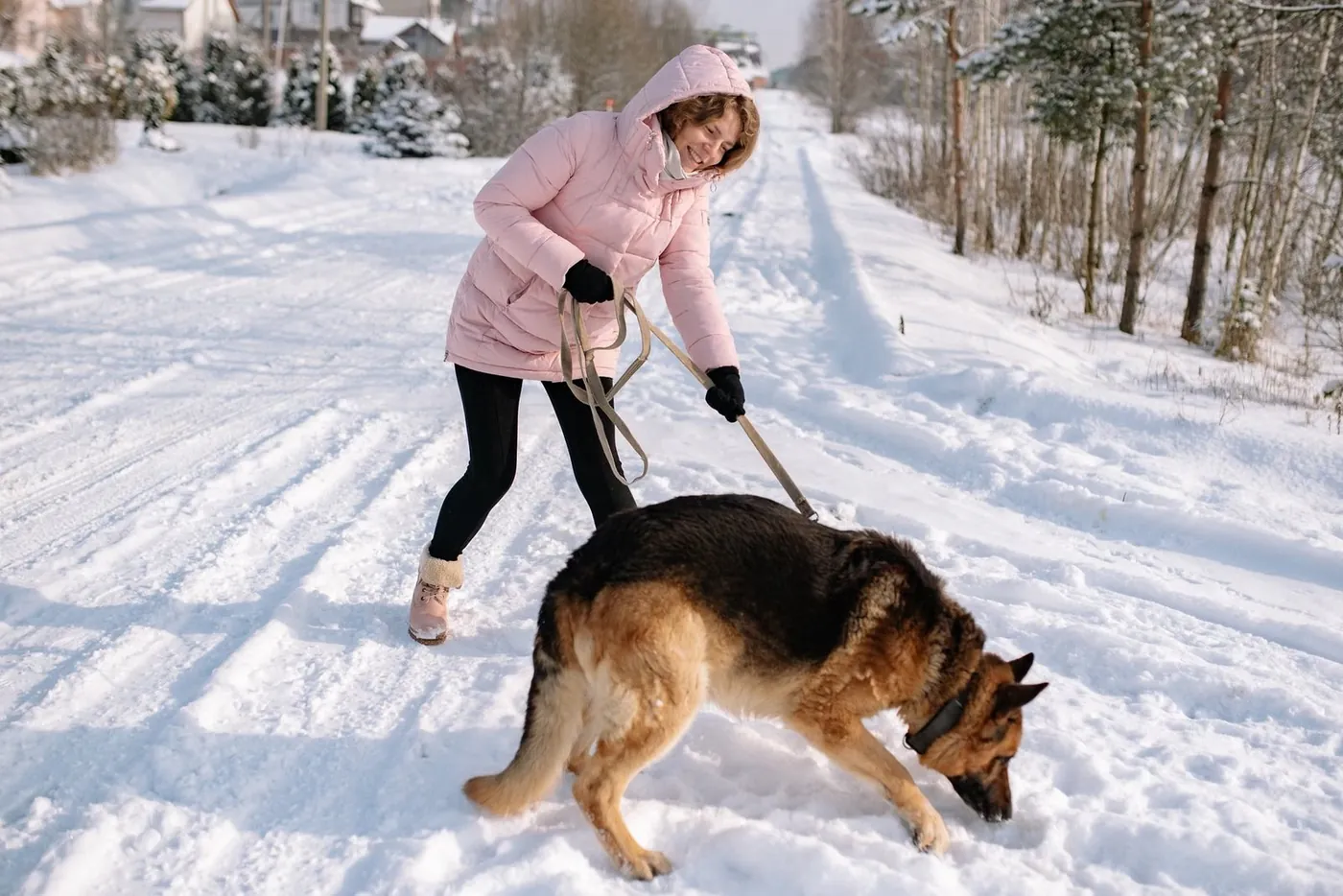
A scale, not a switch
| Position | What the dog does | What it means for you |
|---|---|---|
| Untrained | Responds inconsistently, if at all | All the work is ahead of you |
| Basic obedience | Sits, downs, walks on a leash in quiet places | A good start, not protection |
| Reliable obedience | Holds commands around distractions | The base that protection work needs |
| Protection trained | Responds on direction and stops on command | Needs a skilled handler and upkeep |
Why barking is not training
Many dogs bark at strangers. That alerts, and a lot of dogs do it untrained. Training is the part that comes next: the dog behaves neutrally until directed and then settles when told.
Risks of the middle
The most worrying dog is partly trained: confident enough to act and not controlled enough to stop. Ask any seller where on the scale their dog sits, and ask them to show it.
Where untrained dogs fit
A good untrained dog from a thoughtful breeder can become a trained one with the right professional. That path is slower, and it carries uncertainty. Whether it suits you depends on your skills and patience.
Continue to titles and certificates.
Quick answers
Can I train my own dog to protect me?
Without qualified help it is risky. A professional can first judge whether your dog suits the work.
Do small dogs count?
Dogs of any size can alert, but programs for protection work typically use larger working breeds.
Test the claims with a professional
Send a request and K9PN will route it to an independent professional or program that works in your area.